
Catalyst ABA…where possibility becomes progress
At Catalyst, we believe meaningful progress happens through partnership, integrity, and a nurturing environment where children feel safe, understood, and motivated to grow.
A “catalyst” is the spark that begins change - the element that accelerates progress and sets transformation in motion.
At Catalyst ABA Therapy, we believe early intervention is the start of everything. The right support at the right time can unlock communication, independence, confidence, and connection.
We exist at that beginning - the structured, compassionate, evidence-based force that helps children gain momentum and families see what is possible.

-
Early Intensive Behavioral Intervention (EIBI) in our clinic focuses on building foundational skills that set young children with ASD on a path to greater independence and learning; these include communication and language development (both expressive and receptive), social skills like joint attention and turn-taking, play skills and imitation, daily living routines such as dressing and self-feeding, and basic pre-academic abilities like attention, matching, and following simple instructions.
Programs use individualized, data-driven teaching with discrete trial training, naturalistic teaching, and prompting/fading strategies to ensure skills generalize across people and environments.
Interventions also prioritize teaching self-regulation, reducing challenging behaviors through functional behavior assessment and reinforcement-based strategies, and partnering with families to embed learning into everyday routines so progress is meaningful and sustainable.
-
Structured, data-driven treatment designed specifically for your child.
This means every treatment plan starts with a thorough assessment of your child’s strengths, needs, preferences, and family priorities, then uses proven behavioral science to set clear, measurable goals and guide interventions. Clinicians select strategies supported by research—such as discrete trial training, natural environment teaching, and functional communication training—while continuously collecting data to monitor progress and make data-driven adjustments. Families are active partners throughout the process, receiving coaching and practical tools so gains generalize across home, school, and community settings. This personalized, outcomes-focused approach ensures care is both compassionate and effective, maximizing each child’s independence and quality of life.
-
At Catalyst, we believe in family support making the difference in successful outcomes.
Equipping parents with practical tools and ongoing support empowers them to extend progress beyond therapy by turning everyday moments into learning opportunities; we provide clear, easy-to-follow strategies, modeling, and coaching so caregivers can confidently practice skills at home, school, and in the community, track meaningful goals, and adapt techniques as their child grows.
With regular feedback, resource materials, and a collaborative plan that respects each family's routine and values, parents become active partners in treatment—reinforcing consistency, celebrating small successes, and troubleshooting challenges—so gains made in sessions translate into lasting, real-world improvements for the whole family.
What is Applied Behavior Analysis (ABA) and what does it look like at Catalyst ABA?
-
Applied Behavior Analysis (ABA) is a research-based approach to teaching skills and reducing behaviors that interfere with learning.
ABA looks at how behavior works — what happens before a behavior, what happens after, and how we can teach more effective ways to communicate and interact.
At Catalyst, we use ABA within an Early Intensive Behavioral Intervention (EIBI) model.
EIBI means:
Starting early (typically ages 2–5)
Providing consistent, structured therapy
Focusing on communication, play, social interaction, and independence
Teaching skills in small, achievable steps
Using positive reinforcement to motivate learning
-
Research consistently shows that the earlier children with Autism receive structured intervention, the greater the long-term outcomes in:
Language development
Social engagement
School readiness
Independence skills
Reduction of challenging behaviors
Young brains are highly adaptable. Early intervention takes advantage of this critical developmental window.
-
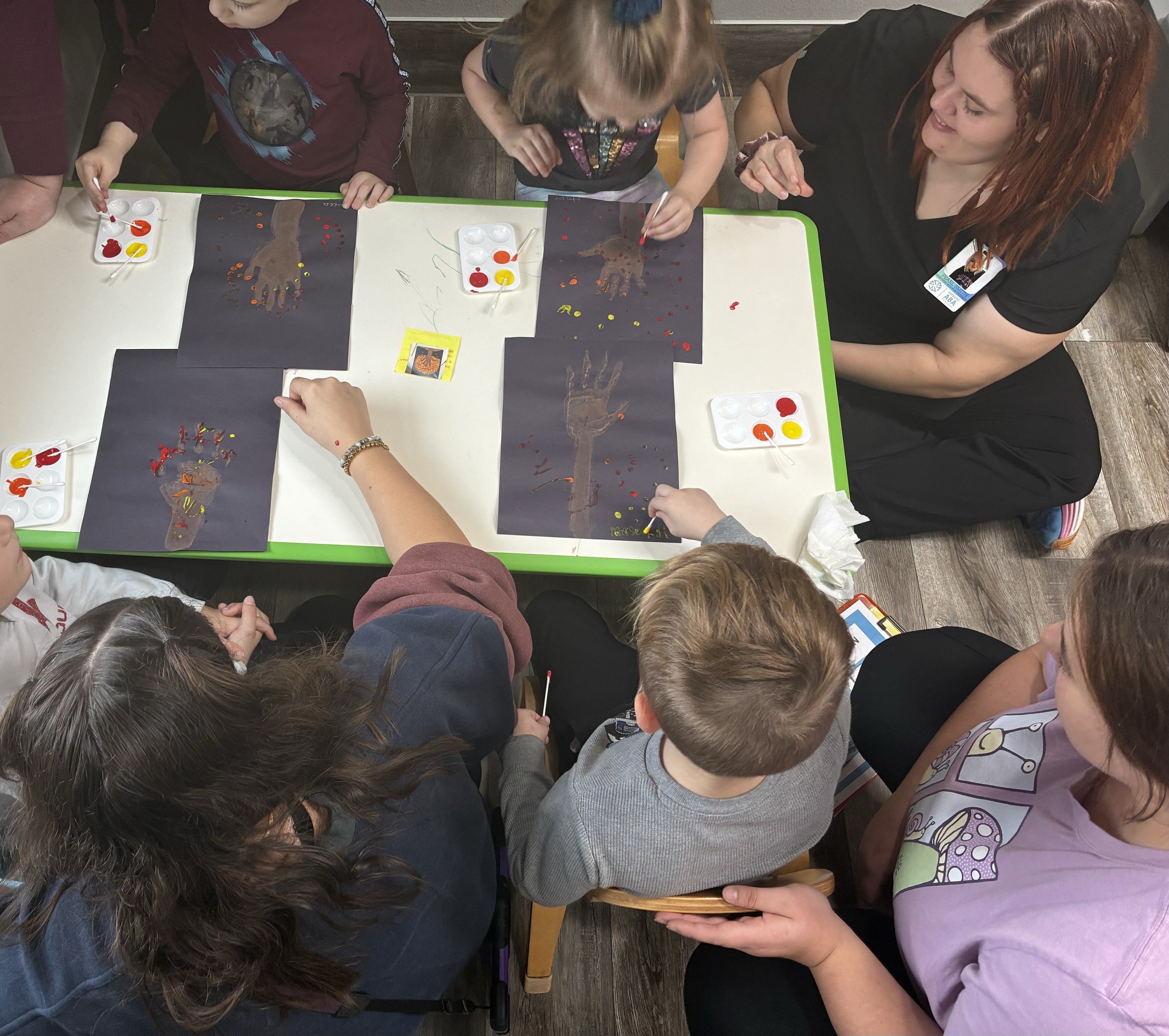
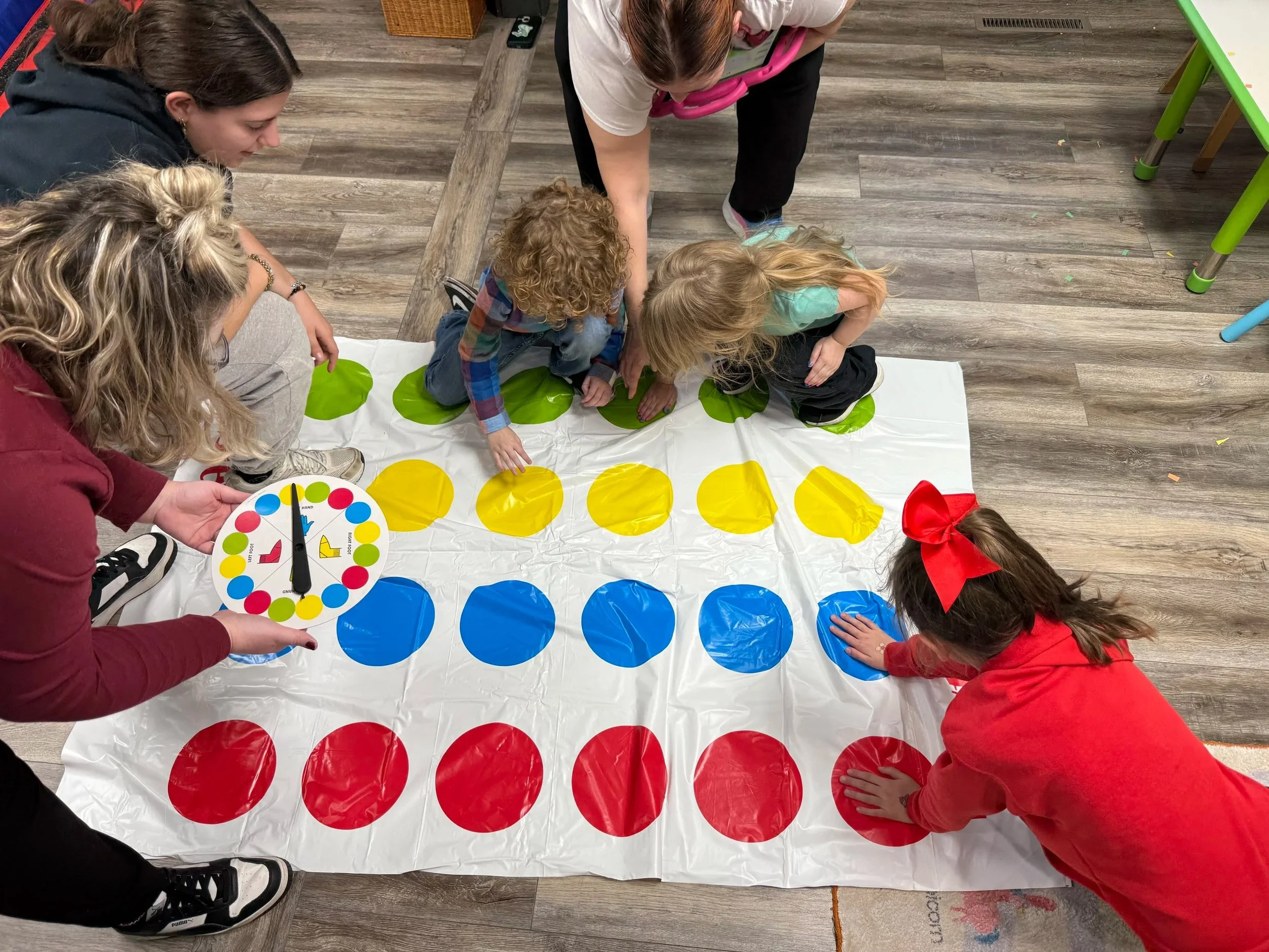
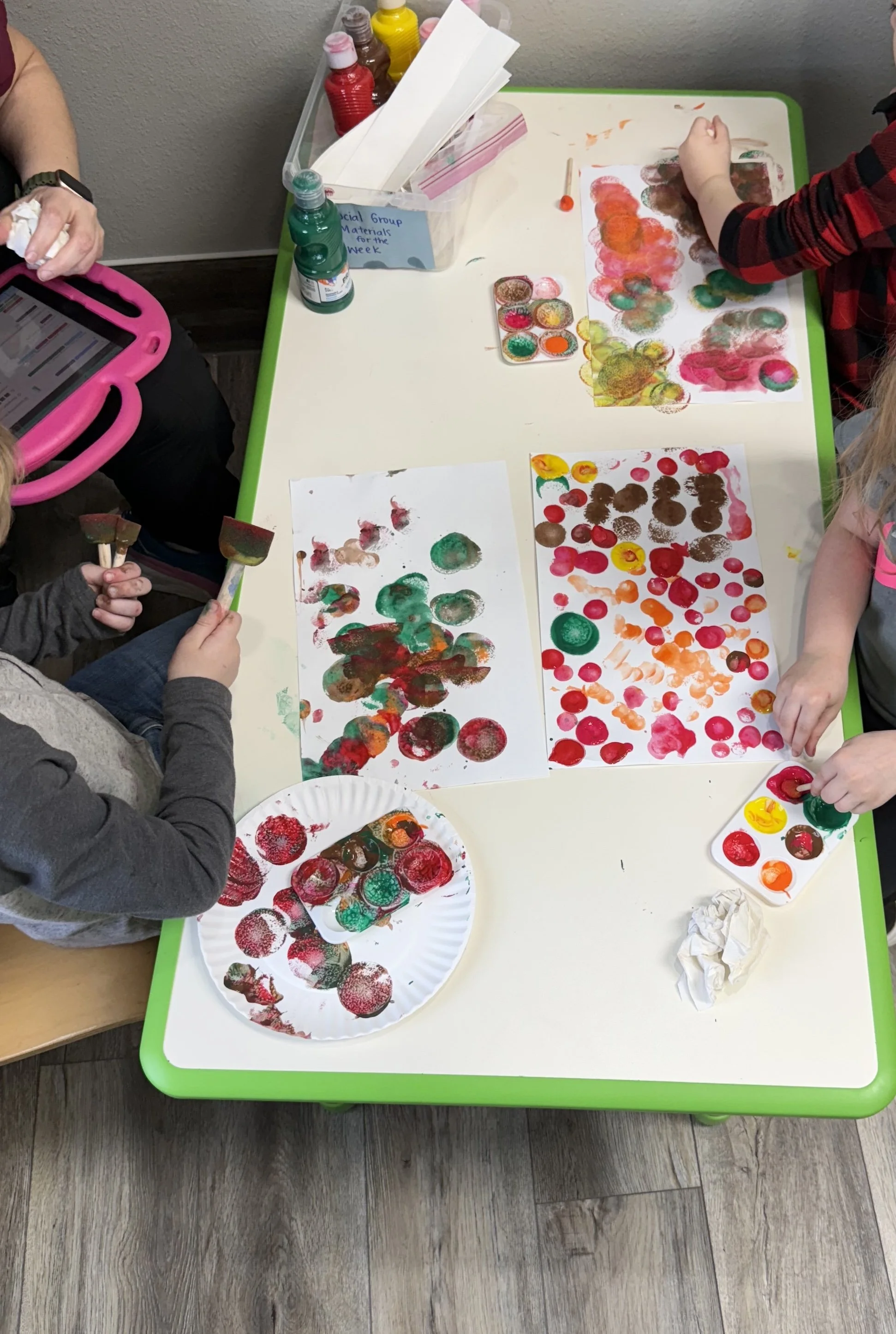
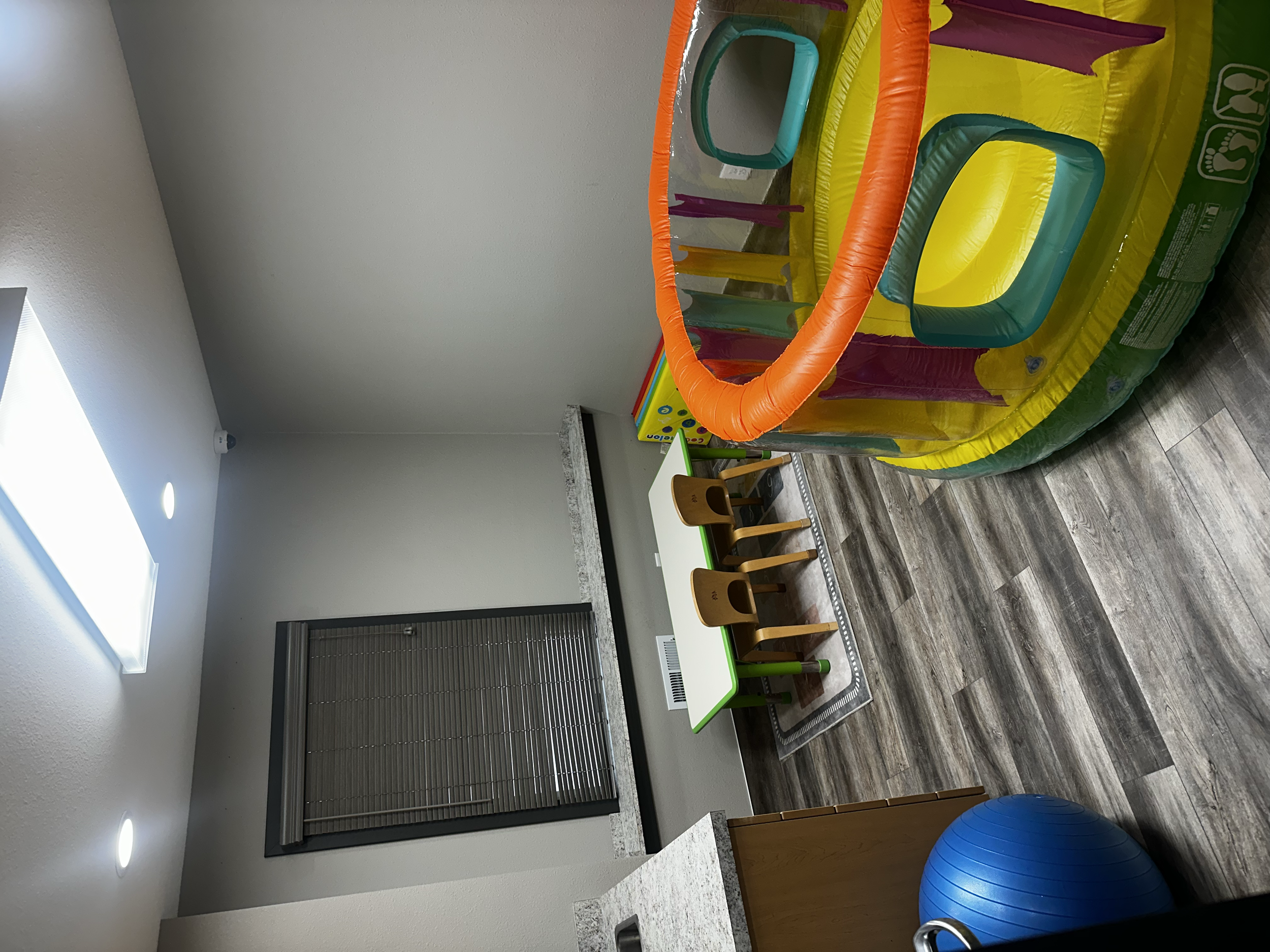
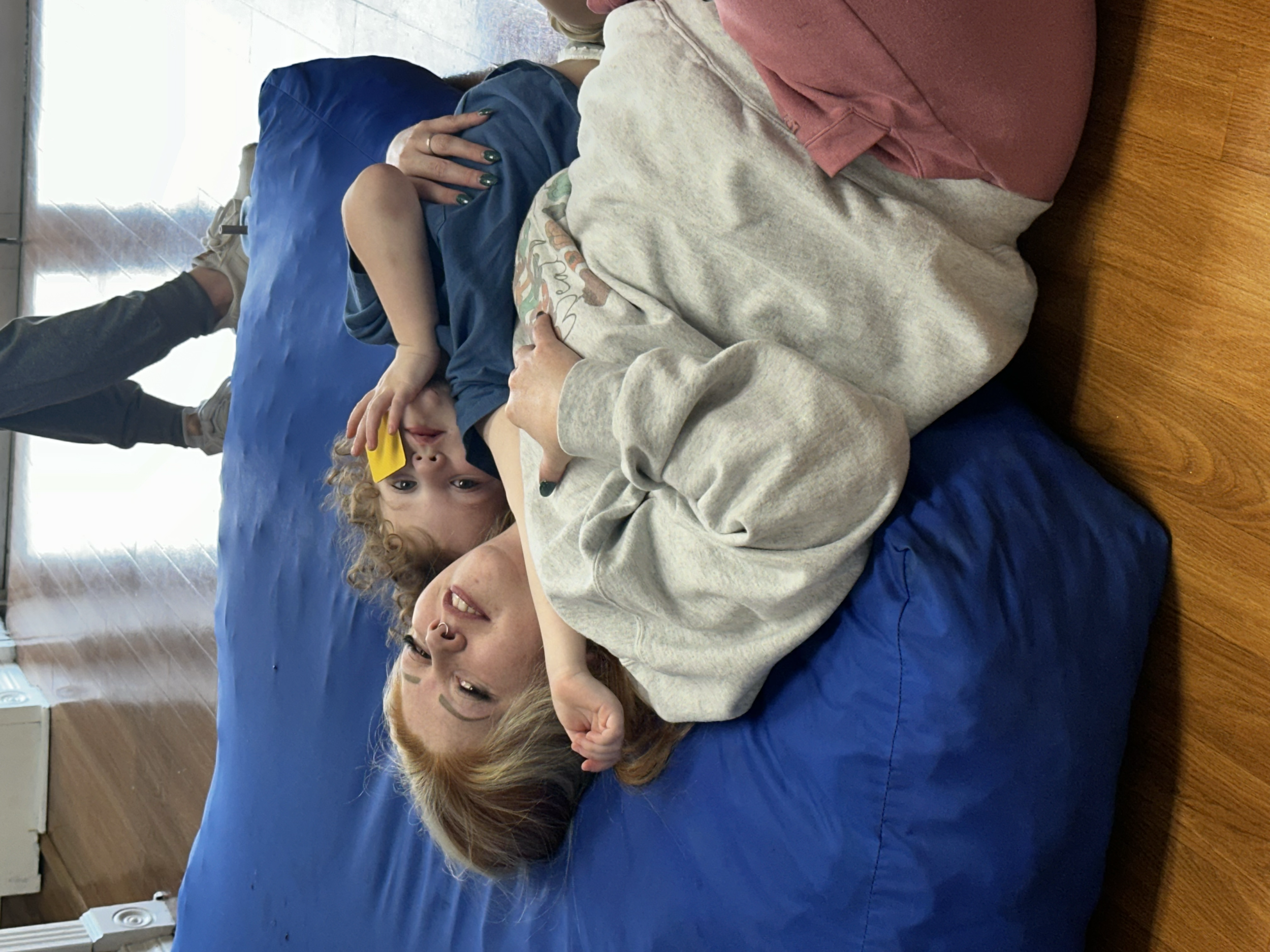
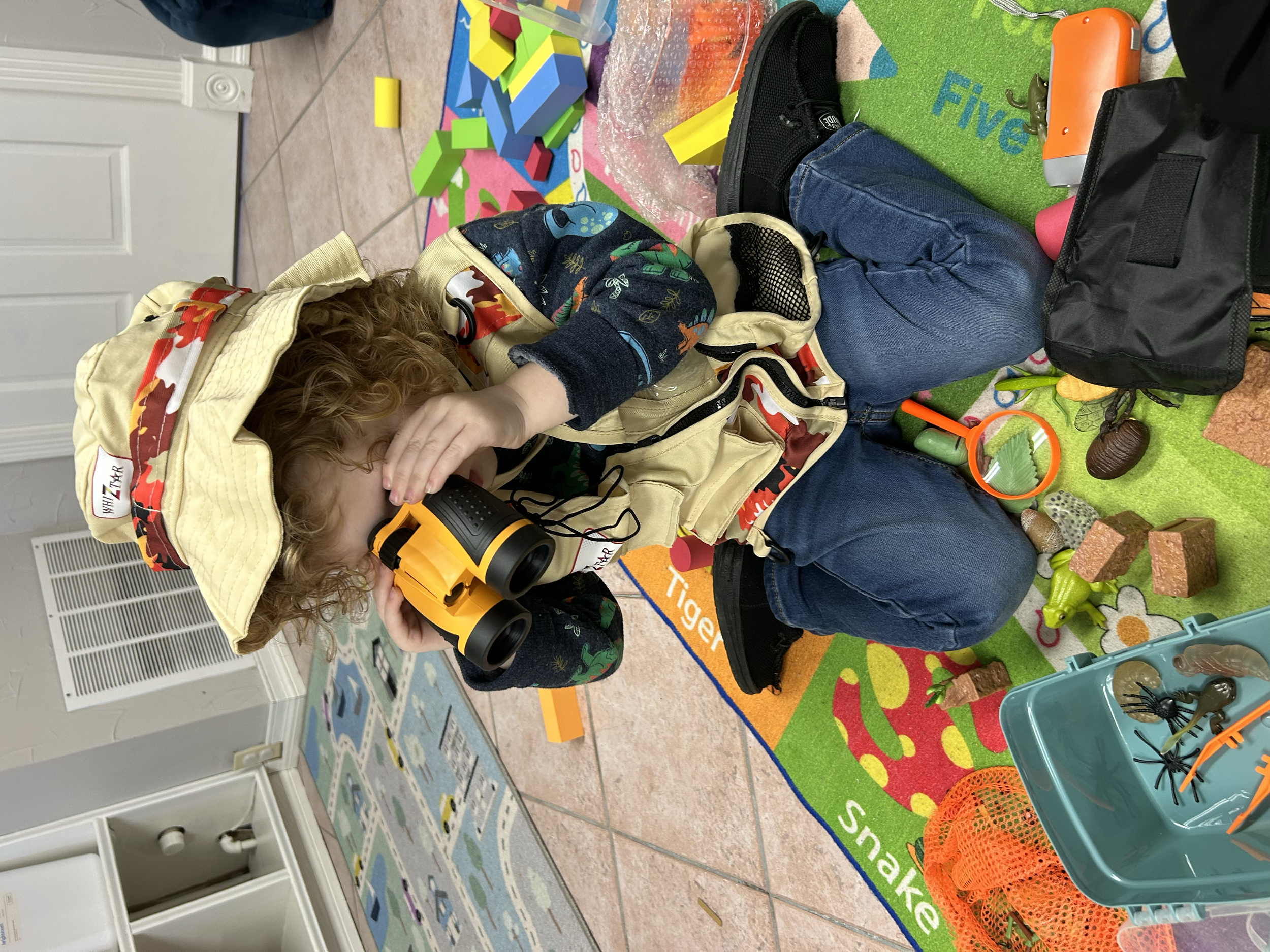
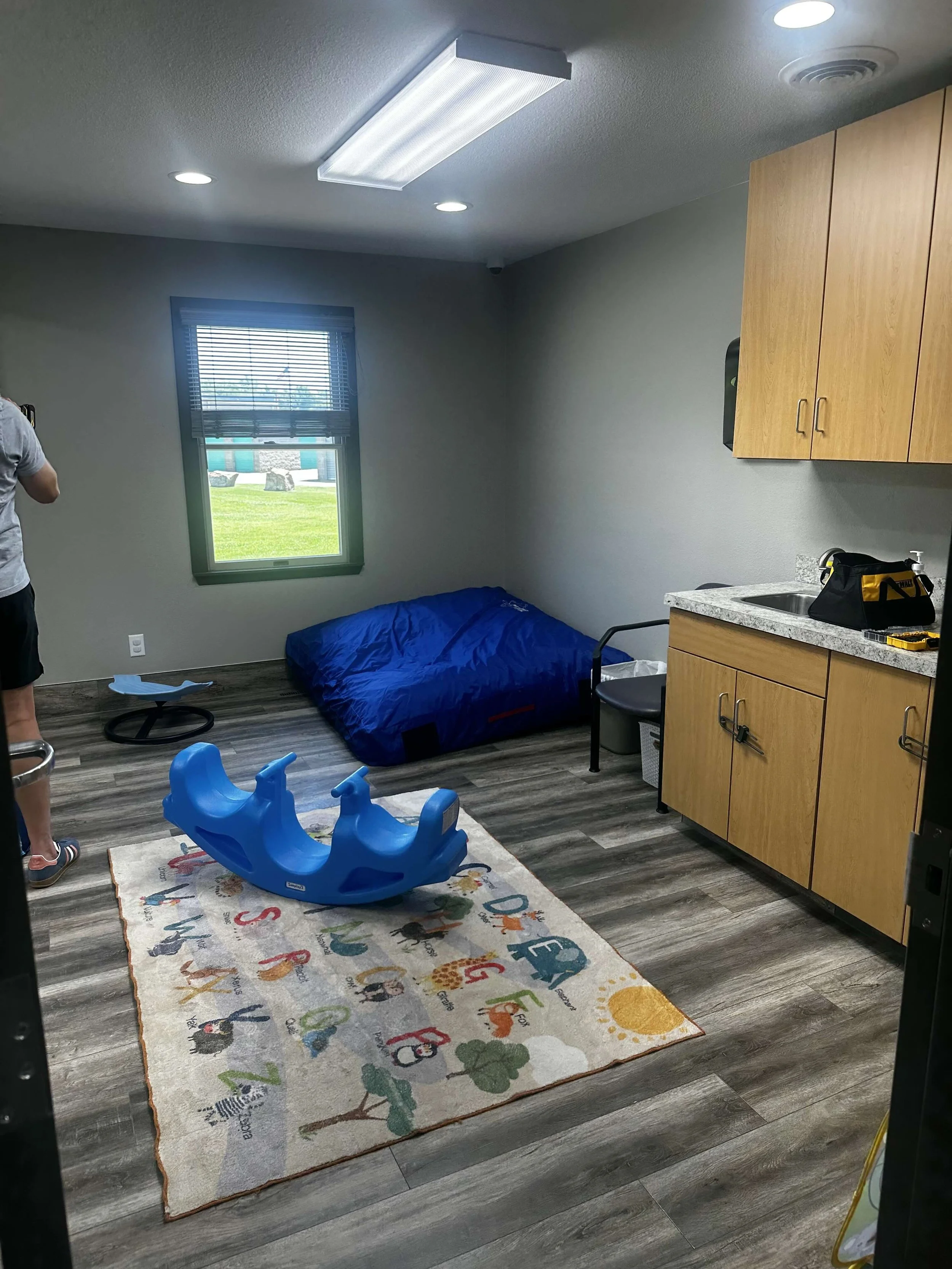
ABA is not just table work. It is every play and interaction. Structured to build what motivates the child into learning moments throughout the session.
In our clinic, ABA includes:
Play-based learning
Natural environment teaching
Structured skill-building sessions
Social learning with peers
Teaching functional communication (requesting, labeling, answering)
Building daily living skills
Every program is individualized and overseen by a Board Certified Behavior Analyst (BCBA).
-
In ABA, communication is often the first and most important skill we target. Many challenging behaviors happen because a child does not yet have an effective way to communicate their needs.
We teach communication by:
Breaking language into small, teachable steps
Teaching children how to request what they want (functional communication)
Building vocabulary through labeling and responding skills
Using play and natural interactions to encourage spontaneous language
Reinforcing attempts to communicate so children are motivated to try again
Our goal is not just words — it is meaningful communication that helps your child connect with others and navigate their world.
-
ABA supports children at every communication level. If a child is not yet using spoken language, we begin by identifying the most effective way for them to communicate.
This may include:
Gestures or sign language
Picture-based communication systems
Communication devices (AAC) when appropriate
Sound imitation and early speech-building programs
Teaching simple requests before expanding to longer phrases
As communication improves, frustration often decreases. We focus on giving children a reliable voice in whatever form works best for them.
-
Learning in ABA is structured, but it is also individualized and motivating. We carefully balance structured teaching with play-based learning so children remain engaged.
We do this by:
Pairing therapists with positive, fun interactions
Using interests and preferred activities as motivation
Teaching in short, manageable steps
Embedding learning into play and daily routines
Celebrating progress frequently to build confidence
Children learn best when they feel safe, supported, and successful. Our approach is designed to build skills while protecting your child’s emotional well-being.
Contact Us
Interested in learning more about ABA and how Catalyst can best support you and your child? Please fill out some info and we will be in touch shortly. We can’t wait to hear from you!